
Loading...
Serving Redding, CA and surrounding areas. (530) 319-6068
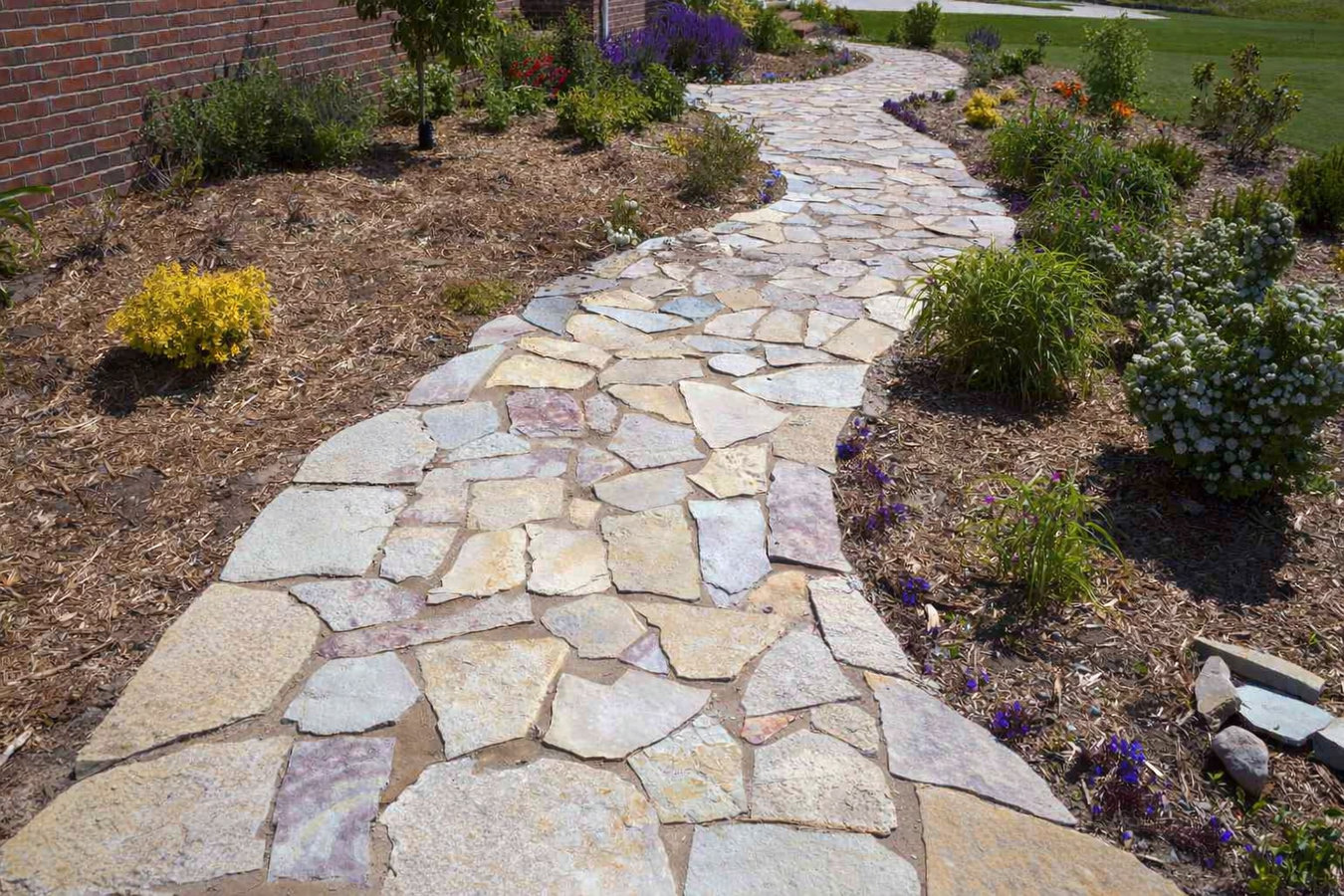
Cracked, sunken, or uneven walkways are a tripping hazard and an eyesore - we build new paths from a proper base up so they hold their shape through Redding's hot summers and wet winters.
Walkway construction in Redding means digging out the existing soil, packing down a compacted gravel base, and installing the surface material of your choice - concrete, brick, or natural stone - with a slight slope built in for drainage; most standard residential walkway projects are complete in one to three days.
A lot of Redding homeowners get in touch after a walkway has already been cracking for a year or two. By that point, patching the surface is usually a short-term fix - the problem is the ground underneath. Redding sits on clay-heavy soil that swells with winter rain and shrinks back down in summer heat, and that seasonal movement is the most common reason walkways crack and shift in this area. Building a path that actually lasts here requires more base preparation than most contractors do elsewhere. If you have been watching the same crack get wider each spring, it is worth talking through your options rather than patching it again.
Walkways often connect to other hardscape around your property. If you are also thinking about a new driveway surface, our driveway pavers work uses the same base-first approach and can be coordinated with your walkway project for a consistent finished look.
Small hairline cracks are common and not always urgent. But cracks that have grown wide enough to fit a finger into - or that keep reopening after patching - are a sign the base underneath has shifted. In Redding, this kind of movement is often caused by clay soil expanding and contracting through wet winters and dry summers. Patching the surface does not stop the underlying movement; it just delays the next crack.
If part of your walkway sits noticeably higher or lower than the section beside it, that is a tripping hazard and a sign the ground has moved unevenly underneath. This is especially common in Redding neighborhoods with mature trees, where roots have grown under the slab and pushed it up. A raised edge of half an inch is enough to catch a foot - and enough to create liability if a visitor falls.
After a rain, water should run off your walkway within a few minutes. Puddles that sit for an hour or more mean the walkway has settled unevenly or was never sloped correctly. Standing water accelerates surface wear and, over time, works its way into cracks and weakens the base - a drainage problem today becomes a structural problem later.
Redding's intense summer sun and UV exposure break down older concrete over time, leaving the surface chalky, flaky, or rough underfoot. This is not just cosmetic - once the top layer starts breaking down, water gets in more easily and the damage accelerates. If you are sweeping up small chunks of concrete or the surface feels gritty where it used to be smooth, the walkway is near the end of its useful life.
We build walkways from the ground up - site excavation, gravel base compaction, surface installation, and final cleanup. Every project starts with a site visit so we can look at the slope of the ground, check for drainage issues, and confirm whether a City of Redding permit is needed before any work begins. We handle the permit application when it is required so you do not have to navigate that process yourself. After the walkway is done, we walk it with you before we leave and let you know whether sealing is recommended for the surface material you chose.
The surface material you choose affects both the upfront cost and how much maintenance the walkway needs over time. Poured concrete is the most straightforward and durable option for most Redding homes. Brick walkways take more labor to install but can be reset section by section if the ground shifts beneath them - which makes them a practical choice in areas with significant tree roots. Natural stone gives you the most distinctive look and holds up well in heat, though the cost per square foot is higher. If you are considering a brick wall installation along the edge of a new walkway, we can build both as part of the same project.
Best for homeowners who want a clean, low-maintenance path with predictable long-term performance and the lowest cost per square foot.
Best for homeowners who want a traditional look or need a surface that can be partially repaired without disturbing the whole walkway.
Best for homeowners who want a distinctive, high-end appearance and are comfortable with higher upfront cost and occasional re-setting of individual pieces.
Best for homeowners who want the flexibility of a paver surface - easy to replace individual sections - in a variety of colors and patterns.
Redding regularly records summer temperatures above 105 degrees F, and that heat affects fresh concrete in ways that matter to you as a homeowner. When concrete dries too fast in extreme heat, it can crack before it ever fully cures - which is why experienced local contractors schedule pours for early morning and take extra steps to keep the surface moist while it sets. Many of Redding's established neighborhoods - including areas near downtown and older parts of south Redding - also have homes built in the 1970s and 1980s with original concrete walkways that are reaching the end of their lifespan. Replacing an old slab in these areas often involves removing the original concrete, dealing with tree roots that have grown underneath, and re-grading the soil before the new base can go in. The Anderson area, just south of Redding, faces the same clay soil conditions and has the same demand for walkway replacement in its older neighborhoods.
Wildfire smoke is also a real scheduling consideration for Redding walkway projects. Late summer and early fall bring smoke events that cause most contractors to pause outdoor concrete work - not just for worker safety, but because heavy smoke can interfere with how fresh concrete cures. If you are planning a project between August and October, building a few extra days of flexibility into your timeline is smart. We communicate proactively when a delay is needed, so you are never left guessing. Homeowners in Shasta Lake and the surrounding communities deal with the same conditions and the same seasonal scheduling realities.
When you reach out, we will ask a few basic questions - how long the walkway is, what material you are thinking about, and whether you are replacing something existing or starting fresh. We reply within one business day and schedule a time to visit the site in person before giving you a price.
During the site visit, we look at the slope of the ground, check for tree roots or drainage issues, and measure the area. We confirm whether a City of Redding permit is required for your project and let you know who handles that paperwork - in most cases, we handle it. You receive a written estimate that breaks down what is included, not just a single number.
The crew removes any existing surface material, digs out the soil to the right depth, and packs down a compacted gravel base. This step is the most important part of a walkway that lasts - we do not rush it. In Redding's summer heat, pours are scheduled for early morning so concrete sets under the best possible conditions.
Before we leave, we walk the finished walkway with you and check the joints, edges, and surface together. For concrete, plan to stay off it for 24 to 48 hours and avoid heavy use for about a week while it cures fully. We tell you exactly how long to wait and whether sealing is recommended for your surface material.
Free written estimate. No pressure, no obligation. We reply within one business day.
(530) 319-6068Redding's clay soil swells when wet and shrinks in summer heat - a cycle that destroys walkways built on a thin or poorly compacted base. We build every walkway on a properly compacted gravel base sized for this region's soil movement. That is what separates a walkway that stays level for decades from one that starts cracking in the first few years.
Pouring concrete in triple-digit heat without the right steps leads to surface cracking before the material even cures. We schedule summer pours for early morning, keep fresh concrete moist during the hottest part of the day, and follow American Concrete Institute hot-weather curing guidelines on every project.
We confirm whether your specific project requires a City of Redding permit at the estimate stage - not after we have already started digging. When a permit is needed, we handle the application and coordinate with the city so you do not have to. Permitted work is documented, inspected, and not a liability when you sell your home.
You will receive a written estimate that breaks down what is included - prep work, materials, cleanup - so there are no surprises on the final invoice. We do not give ballpark quotes over the phone and then adjust the number once work is underway. What you agree to at the start is what you pay at the end.
These are the things that make a real difference in whether a walkway holds up or falls apart over time in Redding's climate. California contractor license verification is available in seconds through the California Contractors State License Board - and we encourage every homeowner to check before they hire anyone.
Add a permanent brick wall alongside your new walkway to define a garden edge, create privacy, or hold back a slope.
Learn MoreExtend the same base-first approach from your walkway to the full driveway surface for a consistent, long-lasting result.
Learn MoreRedding's spring and fall project windows go fast - reach out now and we will come look at your site and give you a written quote with no obligation.