
Loading...
Serving Redding, CA and surrounding areas. (530) 319-6068
A poorly built wall leans or cracks within a few years - we dig footings right for Redding's clay soils, use mortar rated for summer heat, and handle permits so your wall is solid from day one.
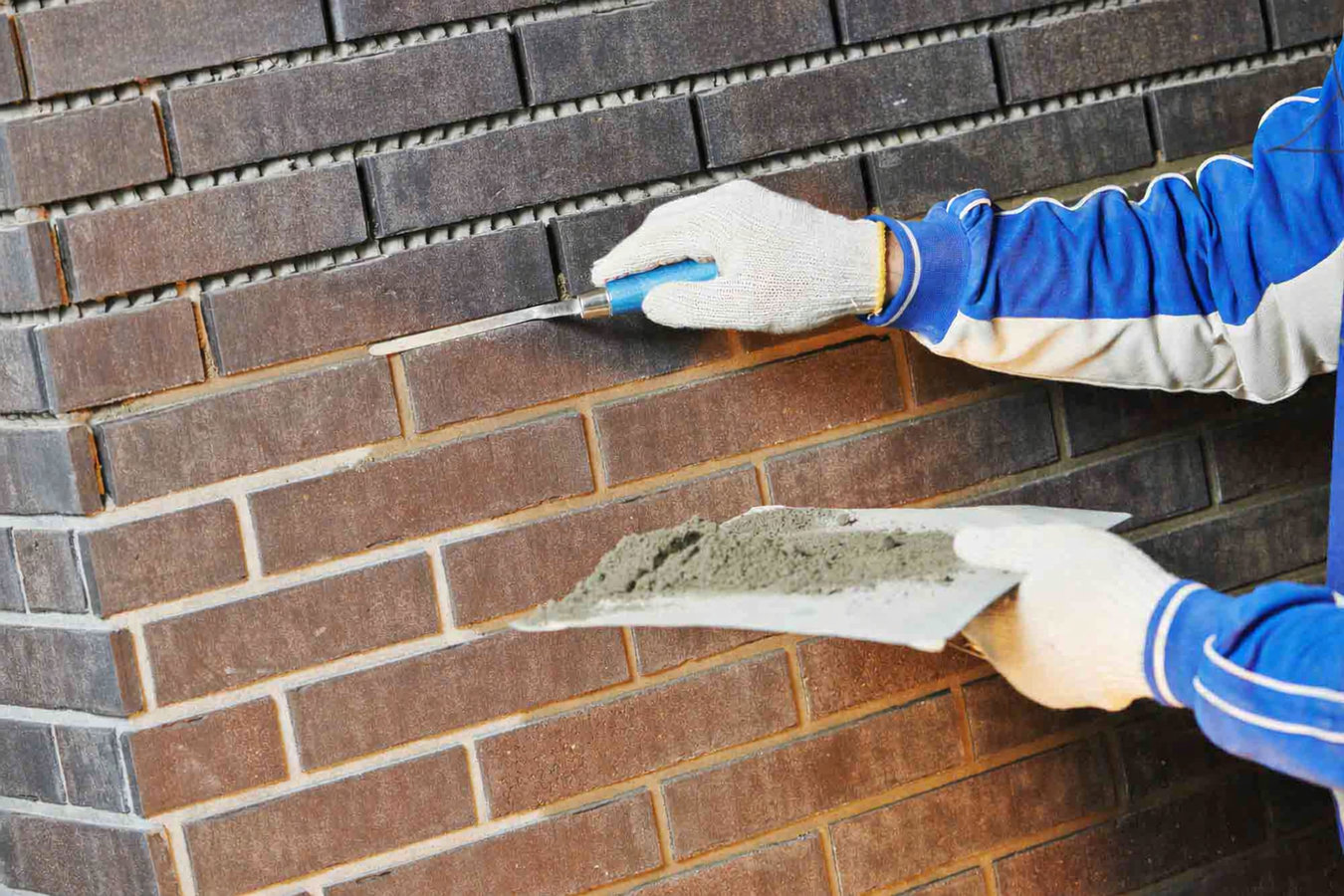
Brick wall installation in Redding starts with a concrete footing poured below grade, then individual bricks are laid row by row with mortar and checked constantly for level and plumb; a standard garden or boundary wall of 20 to 30 feet typically takes two to four days from start to finish, with larger retaining walls running a week or more.
The footing is the part of a brick wall that most homeowners never see - and it is the part that determines whether the wall stands straight for fifty years or starts leaning within five. Redding's clay-heavy soil swells when it gets wet and shrinks back down every dry season, and that cycle puts real stress on any structure that is not anchored deep enough. A contractor who shortchanges the footing to save time or material is not doing you any favors, and you will not know it until the wall starts moving. That is the single most important question to ask any mason you are considering for this work.
Brick walls are often part of a broader yard project. If you are replacing an older wall near a patio or walkway, our brick repair team can also assess whether any existing masonry on your property can be saved before you commit to a full replacement.
Visible cracks running through the bricks or mortar, or a wall that tilts even slightly, are signs the footing or structure has been compromised. In Redding's clay soils, this kind of movement is common after a wet winter followed by a dry summer - the soil expands and contracts and slowly pushes the wall out of position. A leaning wall does not fix itself. It gets worse each season until it fails.
Run your finger along the lines between bricks. If the mortar crumbles, flakes off, or has gaps you can push a finger into, the wall has aged past the point where it is protecting itself. This is especially common on walls that face west in Redding, where afternoon sun is intense and accelerates weathering. Left alone, water gets into those gaps and the damage spreads faster.
If your yard has a raised area or hillside that loses soil every time it rains, a brick retaining wall stops that erosion and gives you flat, usable space. Redding's rainy season arrives fast in November and December, and slopes without proper support can lose significant soil in a single storm. A brick retaining wall solves the problem permanently and looks far better than temporary fixes.
If you have had a wood fence warp, rot, or blow over - which happens regularly in Redding's hot, dry summers and occasional winter windstorms - a brick wall is worth considering as a permanent alternative. Brick does not warp, does not need painting, and does not blow over. It also provides better sound buffering from a busy street than a standard wood fence.
We handle the full brick wall build: footing excavation and pour, bricklaying, joint finishing, cap installation, and cleanup. For projects that require a City of Redding permit - which includes most retaining walls and freestanding walls above a certain height - we manage the application and coordinate the city inspection so you are not navigating that process yourself. Before any work begins, we call 811 to have underground utility lines marked, which is required by California law and protects your property from accidental damage during excavation.
The type of wall your yard needs changes both the construction method and the cost. A garden or boundary wall is freestanding and mainly decorative or privacy-focused. A retaining wall holds back a slope, which puts much more pressure on the structure and requires deeper footings, wider bases, and often drainage features built into the back of the wall. Both are work we do regularly in Redding and the surrounding area. If you are adding a brick wall alongside stone features elsewhere in your yard, our stone masonry team can ensure the materials and style read consistently across your property.
Best for homeowners who want to define a planting bed, frame a patio edge, or add a low visual boundary without the structural requirements of a retaining wall.
Best for homeowners who want a permanent alternative to wood fencing - one that does not warp, rot, or need painting every few years in Redding's dry climate.
Best for homeowners with a slope, raised yard area, or erosion problem that needs a permanent structural solution built to handle Redding's seasonal rainfall and soil movement.
Best for homeowners updating a landscaping design or outdoor living area who want a focal point or backdrop that will hold up through decades of Redding sun without fading or deteriorating.
Redding's summer heat is in a different category from most of California - temperatures above 105 degrees F are routine from June through September, and mortar does not cure properly in extreme heat. It dries out too fast and becomes brittle, which means mortar joints that look fine on day one can start cracking within a year if the work was not done correctly. Most experienced local masons schedule brick work in the early morning during summer months, use mortar mixes rated for high-heat conditions, and avoid laying during the hottest part of the day entirely. If you are planning a project, getting on a contractor's schedule before June or after September gives you the best results and the most scheduling flexibility. Homeowners in Anderson and the surrounding communities face the same conditions and the same need for heat-aware scheduling.
Many homes in established Redding neighborhoods - including areas near downtown and older parts of south Redding - already have brickwork: planters, low boundary walls, or chimneys built in the mid-20th century. If you are adding a new wall near existing brick, matching the color and texture of older masonry is harder than it sounds, and not every contractor takes the time to source a close match. We ask about visual consistency at the estimate stage and look at your existing brick before recommending a product. In Palo Cedro and the surrounding rural communities, we work regularly on properties where matching or complementing existing masonry is part of the project scope.
When you reach out, we ask a few basic questions - roughly where the wall will go, how long and tall you are thinking, and whether it needs to hold back soil. You do not need to have everything figured out before that conversation. We schedule a free on-site estimate within a few days of first contact.
We walk the area, look at the ground, check for slopes or drainage issues, and measure the space. We tell you upfront whether your project requires a City of Redding permit and who handles that paperwork. You receive a written estimate breaking down labor, materials, and any permit fees - not just a single total.
On the first day, the crew marks out the wall line, digs the trench for the footing, and pours the concrete base. We call 811 before any digging begins - this is California law and protects your gas, water, and electrical lines from accidental cuts. The footing needs to cure before bricklaying begins, so the first day may end with nothing visible above ground yet.
Bricks go up row by row with constant level checks. When the last brick is laid, we clean up mortar drips, remove debris, and walk the finished wall with you. The city inspector signs off on permitted work - we coordinate that visit. Mortar needs 24 to 48 hours before the wall can be touched or loaded, and reaches full strength over the following few weeks.
We reply within one business day with a written quote - no obligation, no sales call.
(530) 319-6068Redding's ground swells in winter and shrinks in summer - a cycle that destroys walls built on footings that are too shallow or too narrow. We dig deeper than the minimum and widen the base when soil conditions call for it. That decision is made at the estimate stage, not after the wall has already started moving. This is the single most important factor in how long a brick wall lasts here.
Standard mortar mixes dry out too fast in Redding's triple-digit summer temperatures and become brittle over time. We use mortar formulations suitable for high-heat climates and schedule brick work during the cooler parts of the day in summer months. The Brick Industry Association sets the technical standards we follow for material selection and joint quality.
Most brick wall projects in Redding require a permit from the City of Redding Building Division, and retaining walls almost always require one regardless of height. We manage the application, coordinate the city inspection, and make sure the work is signed off before we consider the job done. A permitted wall is legal, documented, and not a liability when you sell your home.
If your home is in one of Redding's established neighborhoods where brick features are already part of the landscape, a new wall that does not match sticks out in the wrong way. We look at your existing brick before recommending a product and source materials that complement what is already there - so the finished wall looks like it has always been part of your property.
Every one of these points reduces the chance of a wall that fails early or causes problems when you sell. You can verify any contractor's California license before you hire through the California Contractors State License Board - a two-minute check that tells you a lot about who you are dealing with.
Complement a new brick wall with natural stone features elsewhere in your yard - steps, pillars, or accent work that ties the design together.
Learn MoreBefore committing to a full replacement, let us assess whether existing brick on your property can be restored rather than rebuilt.
Learn MoreSpring is the best build window in Redding - and it books fast. Reach out now for a free written estimate with no obligation.