
Loading...
Serving Redding, CA and surrounding areas. (530) 319-6068
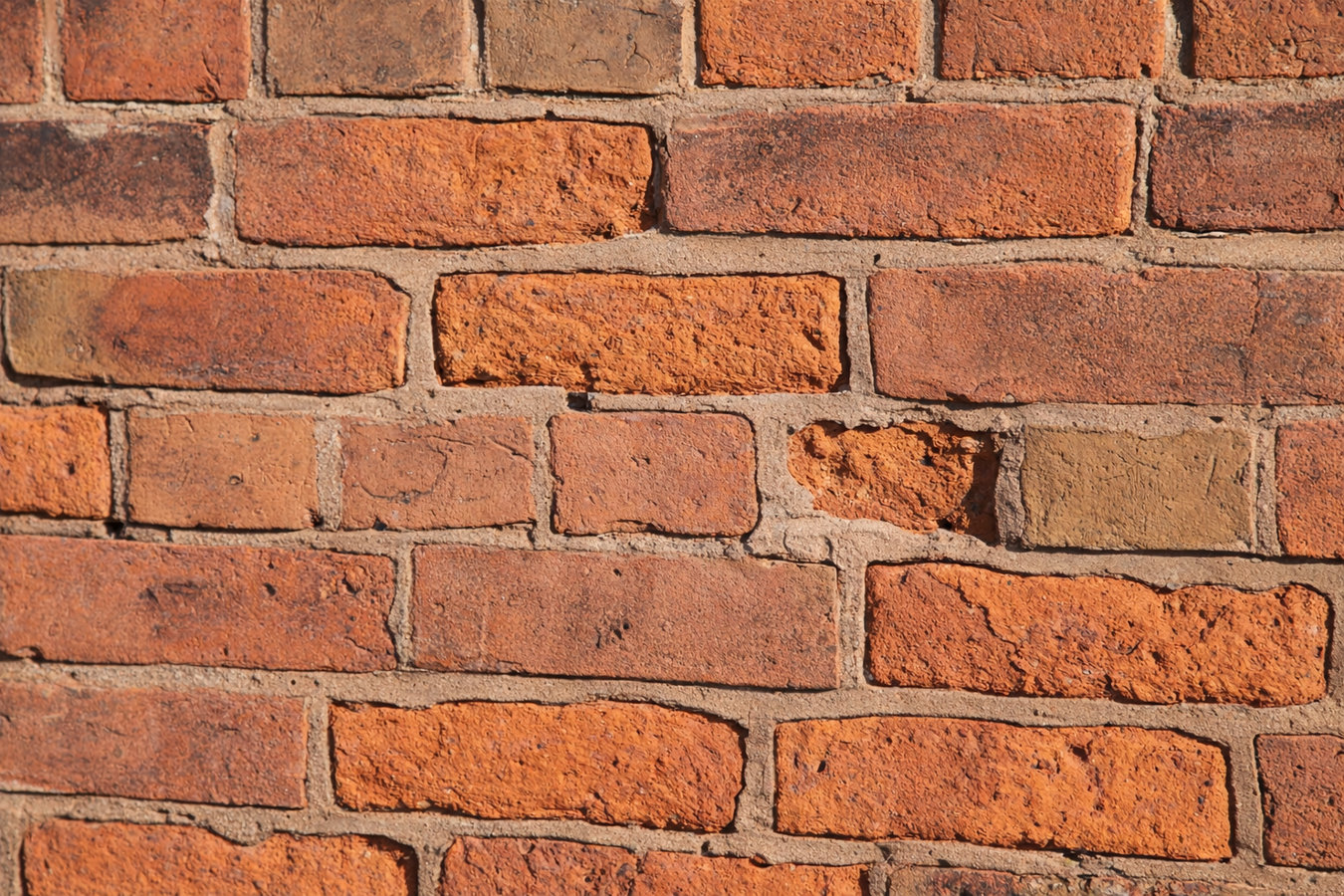
Crumbling mortar lets water behind your brick wall - we chisel out the old material, pack in fresh mortar matched to your existing brickwork, and cure it right for Redding's heat so the repair lasts.
Brick pointing in Redding is the process of removing old, crumbling mortar from the joints between bricks and replacing it with fresh mortar; a skilled mason grinds or chisels the old material out to about three-quarters of an inch deep, then packs new mortar in by hand and tools the surface smooth to shed water - a small chimney or garden wall section can be done in a day, while a full exterior wall or chimney may take two to three days.
Mortar is intentionally softer than brick - it is designed to absorb movement and moisture so the bricks themselves do not crack. Over time, water gets in, and in Redding's climate the combination of hot dry summers and wet winters accelerates the breakdown faster than it would in a more temperate city. Most homeowners do not notice the problem until they see white staining on the brick surface or find water damage inside, by which point the mortar has been failing for some time.
Brick pointing is a different job from full brick replacement. If some of your bricks are also cracked or loose, our foundation repair team can assess whether the underlying structure has been affected - which matters before you invest in cosmetic mortar work on top of a deeper problem.
Stand back and look at your chimney, garden wall, or brick exterior in good daylight. If the lines between the bricks look hollow, sandy, or like they are pulling away from the brick face, the mortar is failing. Try pressing your fingernail into a joint - if mortar crumbles out, the material has degraded past the point where it is protecting anything. That is a clear sign to call a mason before water gets behind the wall.
A chalky white residue on the face of your bricks - called efflorescence - is a sign that water is moving through the wall and carrying mineral salts to the surface. In Redding, this often shows up in spring after the rainy season ends. It is not just cosmetic: it means water is getting in somewhere, and failing mortar joints are the most common entry point.
Water stains on the wall or ceiling near a fireplace, or damp patches on an interior wall that backs up to an exterior brick surface, mean water is getting through. Failed mortar joints are one of the most common causes. Catching this before Redding's next rainy season begins is far cheaper than addressing the water damage that follows if you wait.
Redding's extreme heat causes metal flashing and mortar around chimneys to expand and contract more aggressively than in cooler cities. If your chimney is more than 15 years old and you have not had a mason look at it, there is a real chance the mortar at the top - which takes the most sun and rain - has started to deteriorate even if it looks okay from the ground.
We handle brick pointing on chimneys, exterior walls, garden walls, retaining walls, and decorative brick facades. The process starts with grinding or chiseling out the old mortar to the right depth - rushing this step is one of the most common ways pointing work fails early. We then pack in new mortar in layers, tool each joint smooth so it slopes to shed water rather than hold it, and clean the brick face of any smears before we leave.
Matching mortar is one of the details that separates quality pointing work from work that looks patched. Using mortar that is too hard for older brick can actually crack the bricks over time, which creates a more expensive problem than the one you started with. We assess the existing brick and mortar before selecting a mix. If you are also considering work on related masonry features on your property - such as tuckpointing on a chimney that has decorative contrasting joints - we can assess both at the same time and give you a combined scope so you are not scheduling two separate visits.
Best for homeowners with a chimney showing crumbling mortar, white staining, or loose bricks at the top - where Redding's heat and weather exposure do the most damage over time.
Best for homeowners with an older decorative or low boundary wall where mortar has started to erode, and who want to stop the deterioration before water damage spreads further into the structure.
Best for homeowners with a brick exterior - common on older Redding homes built in the 1950s through 1970s - where the original mortar is now 50-plus years old and showing signs of moisture penetration.
Best for homeowners who have isolated areas of damage and want targeted repairs that address the failing sections without the cost of repointing an entire wall or structure.
Redding regularly records summer temperatures above 105 degrees F - and mortar that dries out too fast in that kind of heat does not cure properly. It ends up weak and prone to cracking before the first winter arrives. Experienced local masons schedule brick pointing work for early morning hours in summer, mist the wall before and after, and sometimes use additives that slow the drying process - steps that would not be necessary in a more humid climate. If you are getting estimates during summer months, asking how the contractor handles heat curing is a quick way to separate people who have worked in Redding from people who have not. Homeowners in Anderson deal with the same conditions on the same timeline every year.
Many homes in established Redding neighborhoods - particularly in the Enterprise, Buckeye, and older downtown-adjacent areas - were built between the 1950s and 1970s. Brick chimneys, garden walls, and decorative brick facades from that era are now 50 to 70 years old, well past the typical lifespan of the original mortar. Northern California also experiences frequent small tremors that gradually stress mortar joints in chimneys and freestanding walls over time, which is a pattern a local mason familiar with the region will know to look for. Homeowners in Shasta Lake and the surrounding communities share the same housing stock age and the same seismic exposure. USGS earthquake hazard data covers the Northern California seismic zone that includes Redding.
We reply within one business day. Basic questions - where the brickwork is, how old the structure is, and whether you have noticed specific damage - help us prepare for the site visit without wasting your time.
The mason walks the wall or chimney, checks how deep the damage goes, assesses whether any bricks are loose, and looks at the original mortar composition to match it correctly. You get a written estimate before anything is scheduled.
Move patio furniture and potted plants away from the work area before the crew arrives. The grinding and chiseling phase is the noisiest part - usually the first few hours. You do not need to be home, but being reachable by phone is helpful if something unexpected comes up during the work.
New mortar needs 24 to 48 hours to firm up. In Redding's summer heat, your mason may ask you to lightly mist the wall once or twice a day to slow the drying process. We walk the wall with you before leaving and flag anything noticed during the work that was not part of the original scope.
We come out, look at the wall, and give you a written estimate - no commitment required, no sales pressure.
(530) 319-6068Using mortar that is too hard for older brick can crack the bricks themselves over time - creating a more expensive problem than the failing joints you started with. We assess the existing brick and original mortar before selecting a mix, so the repair holds without damaging what is already there.
In Redding's summer heat, mortar applied in the afternoon can dry out before it cures properly and end up weak. We schedule work for early morning hours, mist the wall to slow the drying process, and use mixes suited to high-temperature conditions - so the finished joints are as strong on day thirty as they look on day one.
A well-tooled joint slopes slightly outward so rain runs off rather than sitting and soaking in. Rushed work often leaves joints flat or slightly cupped, which holds water and accelerates the next failure. We finish every joint before it sets so the surface sheds water the way it should - a detail that extends the life of the repair significantly. The Brick Industry Association publishes standards that guide this work.
Many homes in established Redding neighborhoods were built in the 1950s through 1970s - which means their original mortar is now 50 to 70 years old. We know what mortar from that era typically looks like, how it behaves, and what replacement mix works best alongside it. That local knowledge means fewer surprises once the grinding starts and the original material is visible.
Good brick pointing is not visible when it is done right - the repair blends in and the wall just stops being a problem. That is the standard we hold our work to on every job in Redding and the surrounding area.
If failed mortar joints have allowed water to reach your foundation, a structural assessment should come before cosmetic repointing.
Learn MoreDecorative two-tone joint work for chimneys and walls where appearance and water sealing both matter - a related but distinct process from standard repointing.
Learn MoreRedding's rainy season arrives fast - sealing failing mortar joints now is far less expensive than repairing water damage after the first winter storms come through.